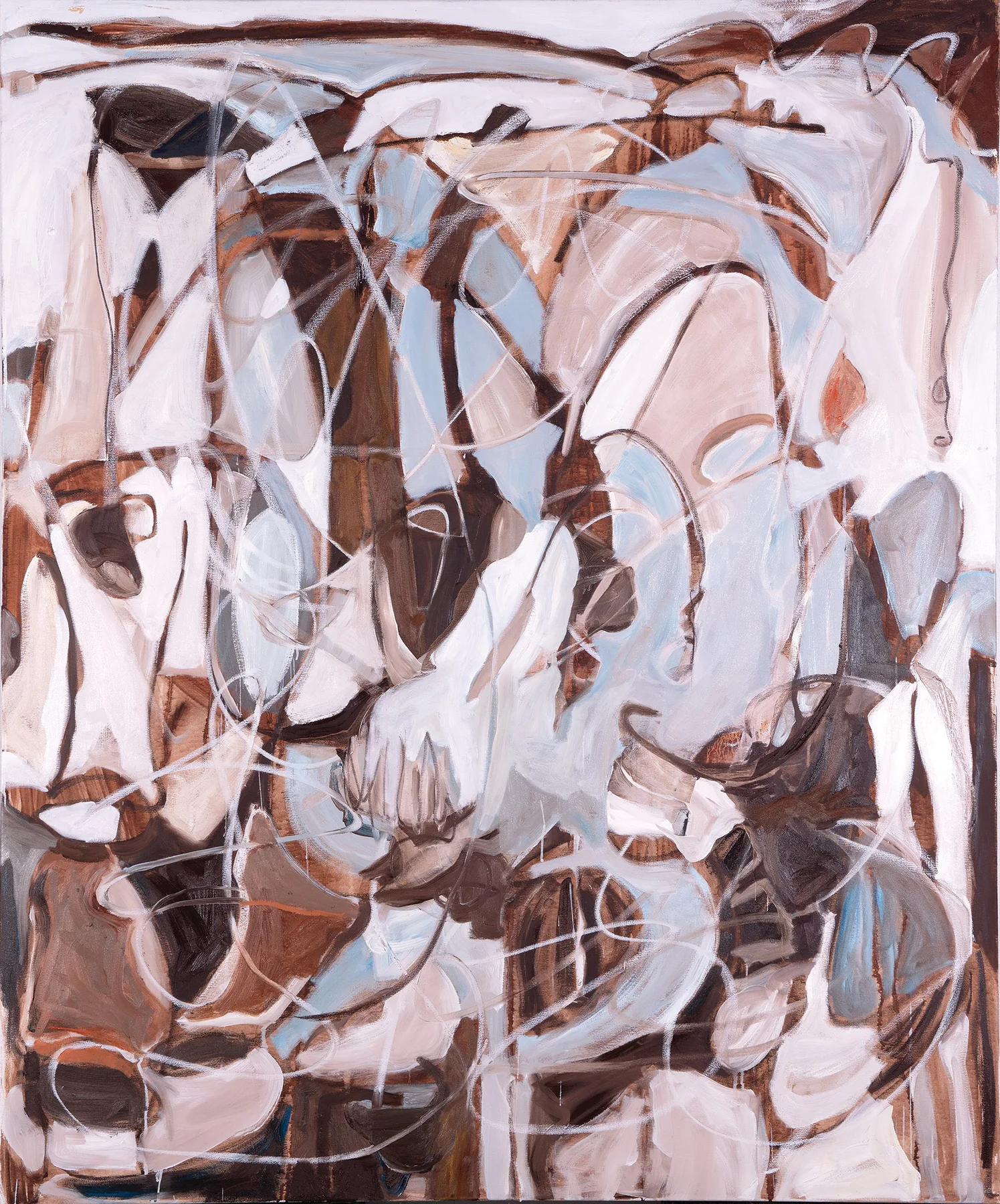
Attention is one of the most meaningful things a viewer can offer an artwork. To look slowly is to resist the pressure to decide immediately whether a work is beautiful, important, or understandable. It allows the object to remain unfamiliar long enough for its structure, material, and emotional weather to emerge.
This kind of looking is active rather than passive. The eye compares edges, follows intervals, notices where color thickens, and remembers what disappeared beneath a later layer. Attention becomes a form of participation: the viewer reconstructs relationships that cannot be absorbed in a glance.
Sustained attention also carries an ethical dimension. It asks us to encounter something on terms other than usefulness or instant recognition. That practice can extend beyond the gallery, strengthening our capacity to notice people, places, labor, and histories that are easy to overlook.
An artwork does not demand endless time. Even a few undistracted minutes can alter the encounter. Stand close, step back, return to one detail, and notice what changed. The reward is not a final answer but a fuller relationship with what is present.