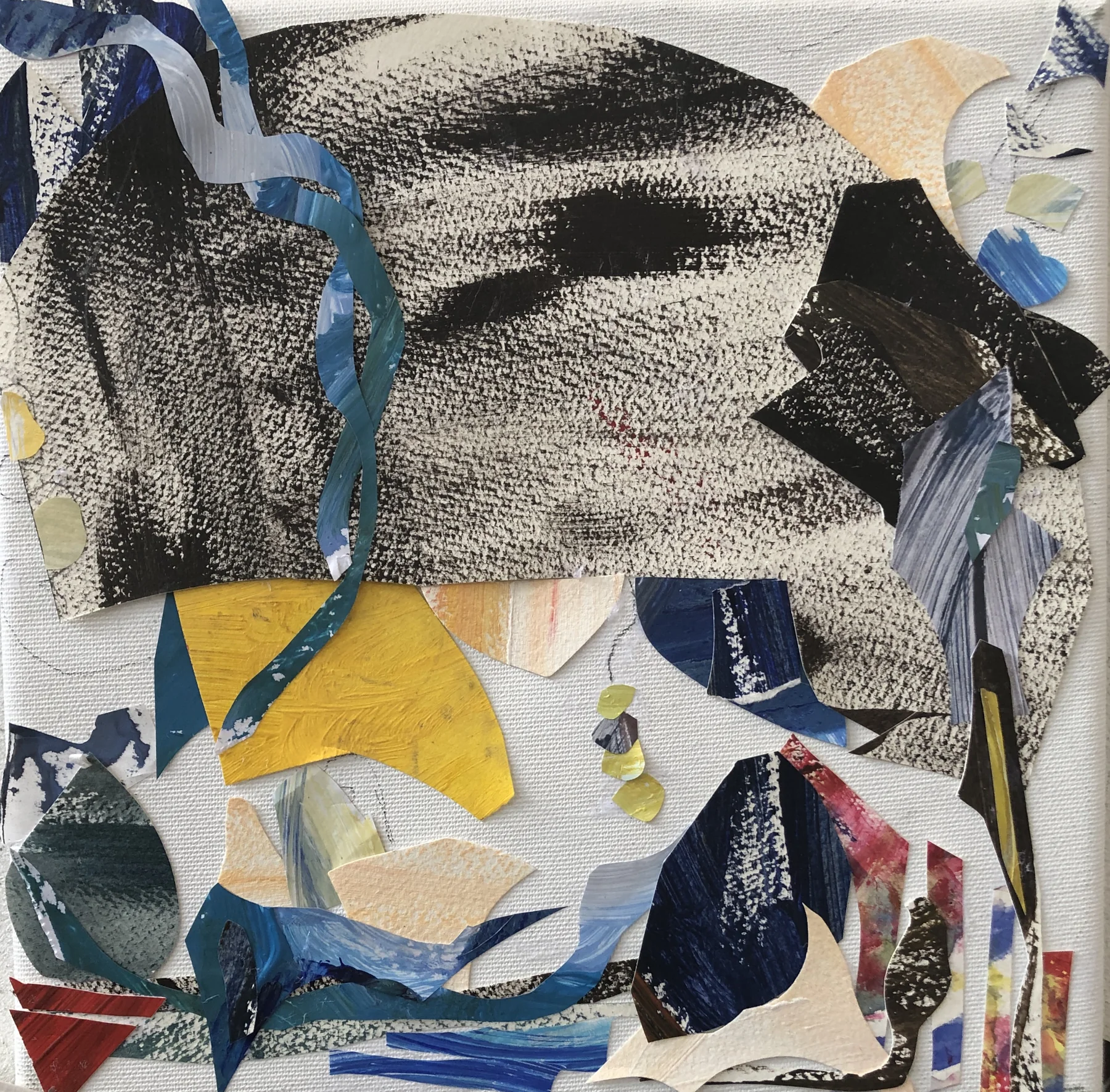
Every artwork contains time, even when it presents a single still image. A dried drip records gravity and duration. A covered passage remains faintly visible beneath a later decision. A seam marks the sequence in which separate materials were joined.
Layered processes make this duration especially tangible. Paint may soak into paper, fabric may interrupt a drawn line, and sanding may reveal an earlier color. The finished surface becomes less like a frozen moment and more like a compressed history.
Revision is part of that history. Erasure, concealment, and repair do not simply remove mistakes; they change the emotional density of the work. Viewers sense that the image has survived alternatives, even when they cannot reconstruct every stage.
Looking for time changes how we read a surface. Instead of asking only what the artwork shows, we begin to ask what happened here. The object becomes evidence of attention extended across hours, days, and sometimes years.