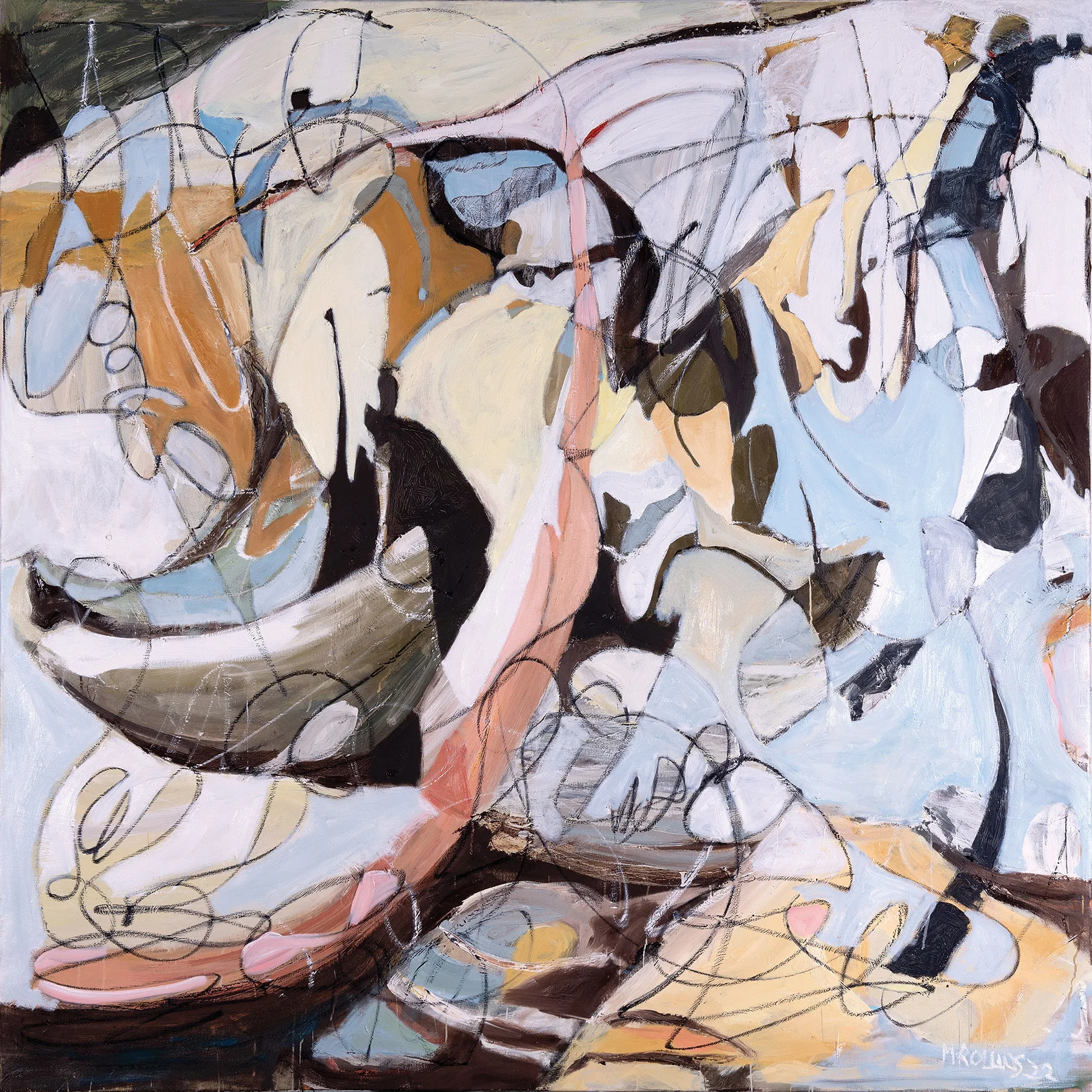
Beauty is sometimes treated as if it were opposed to critical thought. Yet visual pleasure can be the very thing that draws a viewer into a difficult subject. Luminous color, rhythmic form, and sensuous material open attention before the work reveals its tensions.
Contemporary beauty need not promise harmony. A radiant passage can sit beside abrasion; an elegant composition can contain a fracture; decorative pattern can carry histories of labor or exclusion. Pleasure becomes more durable when it does not erase contradiction.
Materials are central to this complexity. Silk, paper, charcoal, oil, and rough fiber each invite different expectations of value and touch. When they meet on one surface, inherited distinctions between refinement and disorder begin to shift.
The question is not whether an artwork is simply beautiful, but what its beauty does. Does it comfort, delay, intensify, or destabilize? Beauty becomes meaningful when it changes the terms on which we are willing to look.