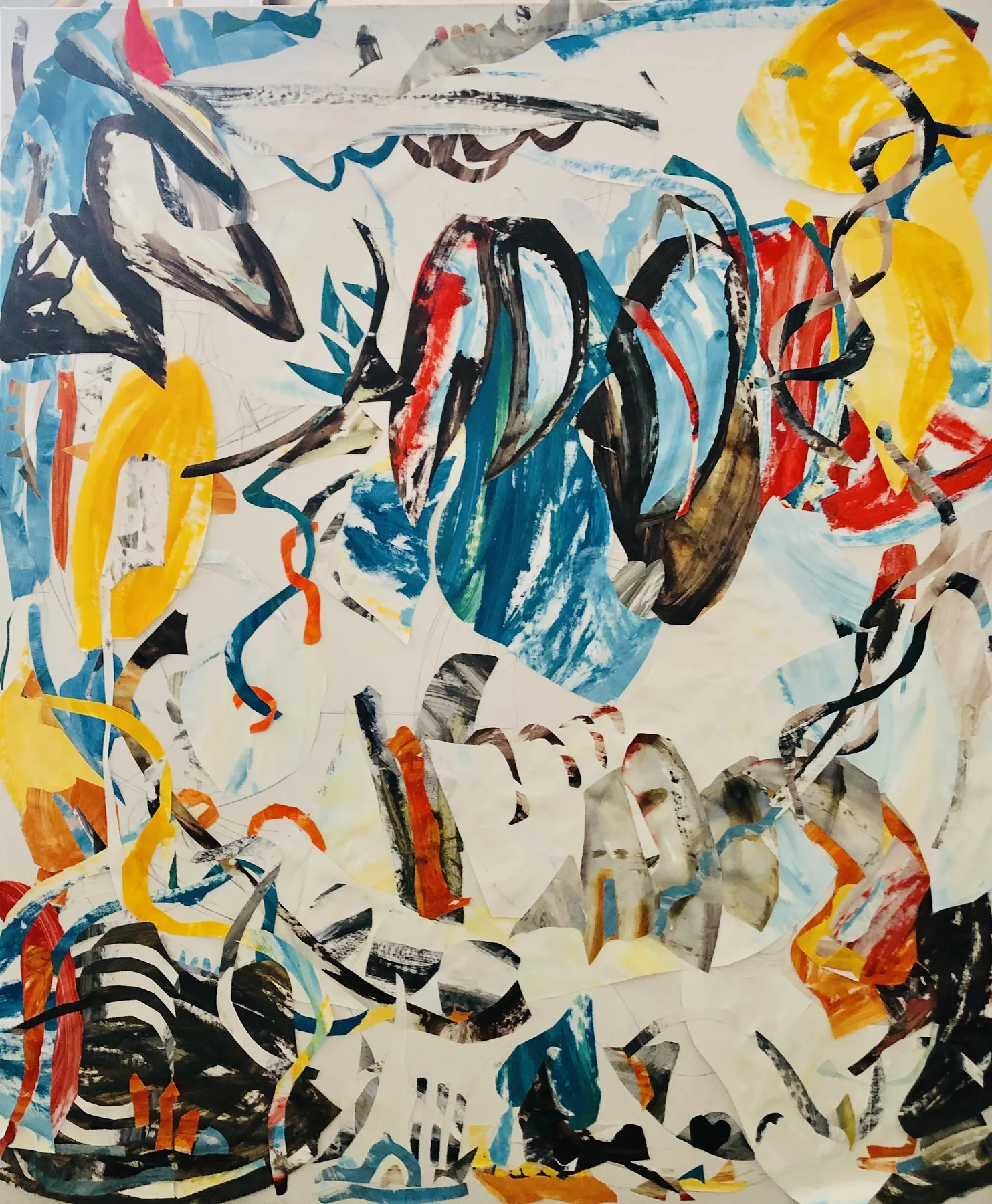
Uncertainty can be one of art's most productive conditions. A form that appears bodily from one angle and architectural from another refuses to settle into a single identity. Rather than withholding meaning, it keeps several possibilities alive at once.
Artists often create ambiguity through partial concealment, unstable scale, interrupted contours, and materials that carry conflicting associations. Soft fabric may be pulled into a rigid geometry. A luminous color may surround a damaged edge. The work gains intensity because its elements do not resolve into a simple message.
Viewers sometimes mistake uncertainty for failure, especially when they expect art to explain itself quickly. Yet lived experience is rarely so orderly. Memory changes, emotions overlap, and the same event can hold tenderness and anger. Ambiguous art offers a structure capable of containing that complexity.
Remaining with uncertainty requires patience, but it also creates freedom. The viewer can test associations without having to defend one permanent interpretation. Meaning becomes an evolving conversation among the artwork, the artist's decisions, and the viewer's own history.