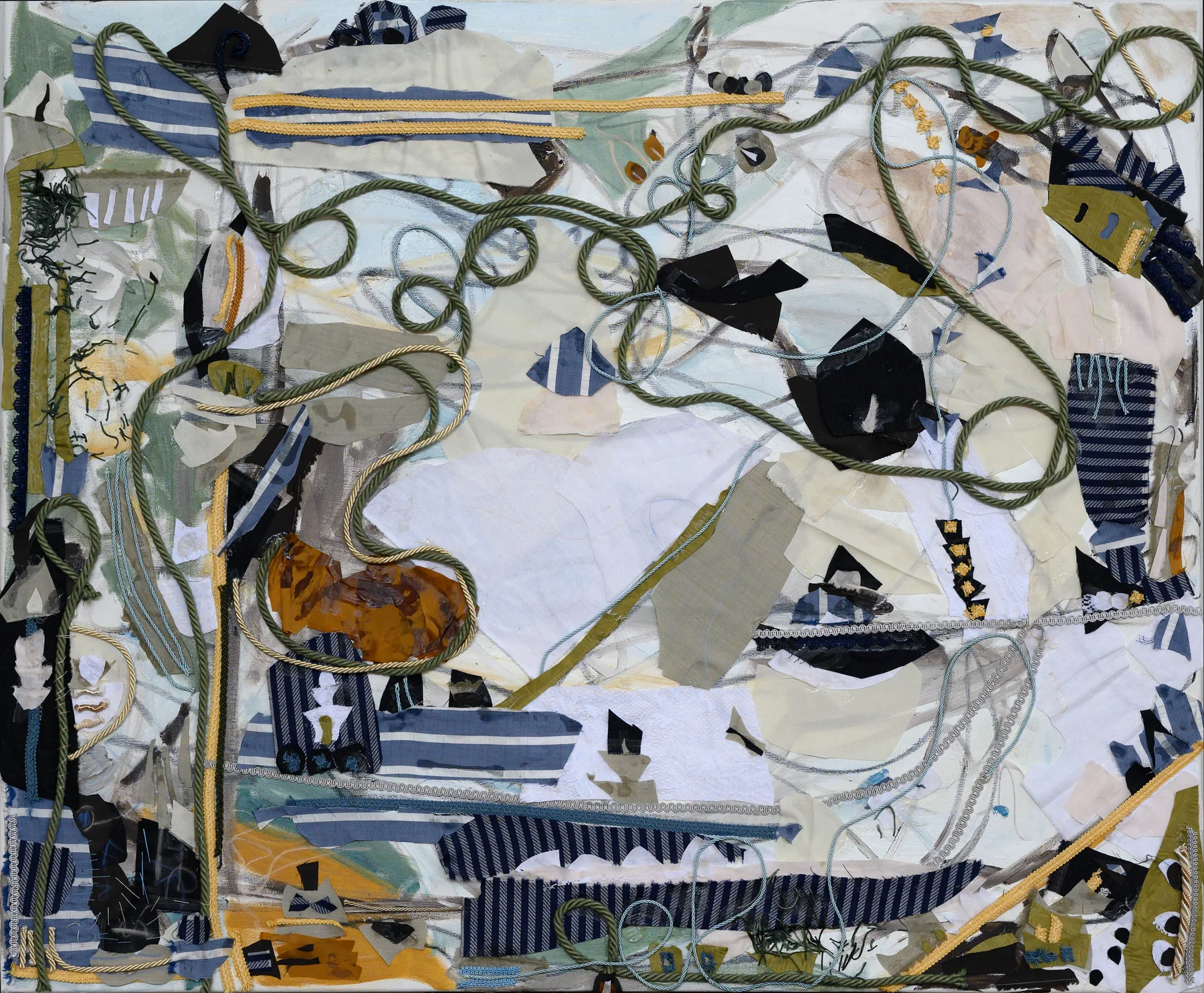
For centuries, many forms of visual intelligence developed by women were categorized as craft, decoration, or domestic work rather than art. Textile construction, embroidery, quilting, and mending required extraordinary technical knowledge, but institutional hierarchies often separated them from painting and sculpture.
Contemporary artists have challenged that division by treating material history as intellectual history. Fabric carries evidence of trade, class, family, gender, migration, and bodily experience. To place it on a gallery wall is not simply to elevate a humble material; it is to question why certain kinds of labor were excluded in the first place.
This approach does not require rejecting beauty. Pattern, color, softness, and ornament can be sources of critical strength. A visually seductive work may draw viewers close before revealing histories of care, exploitation, inheritance, or survival. Pleasure and seriousness are not opposites.
The renewed presence of textiles in contemporary art also broadens what artistic mastery can look like. Mastery may involve sensitivity to fray, weight, tension, absorbency, and seam alongside command of composition and pigment. Material becomes a form of knowledge carried through the hands.